Influenza is an acute respiratory infection caused by the influenza virus, typically breaking out during the winter and spring seasons each year. In January 2025, the weather was cold. The number of people hospitalized due to influenza continues to rise. A common survey shows that 25% of patients with upper respiratory symptoms seek consultation from traditional Chinese medicine, while 36.2% consult Western medicine. Unfortunately, more than half of the patients may not pay attention to their condition and choose to recover on their own. Flu symptoms not only affect quality of life but may also lead to more serious complications such as pneumonia, exacerbation of chronic conditions, and the common cold. According to available data, it is crucial to prevent influenza and ensure the health of citizens, especially high-risk groups like the elderly, young children, and pregnant women.
Scientific Evidence for TCM Treatment of Influenza
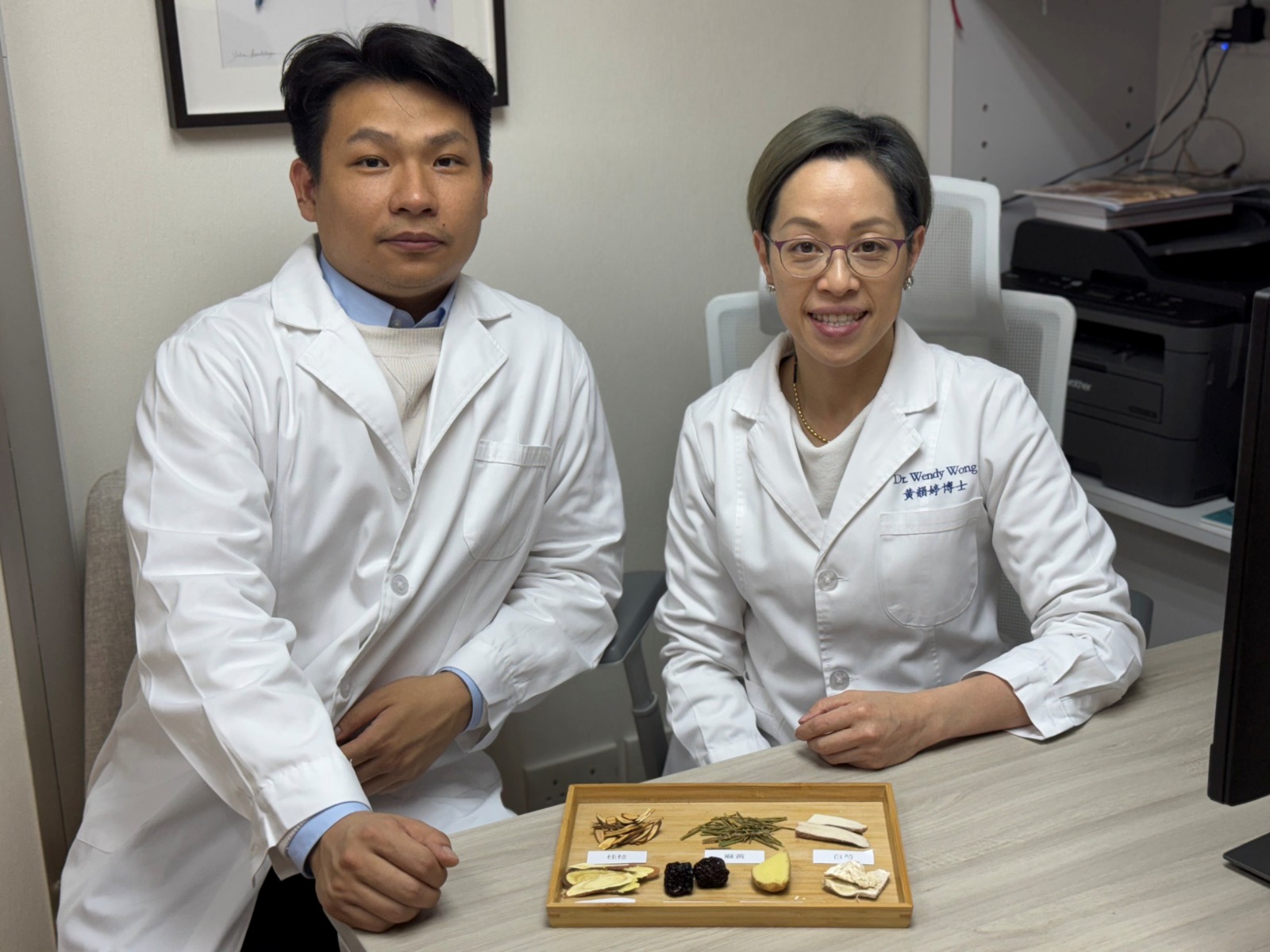
Dr. Wendy Wong, a Adjunct Associate Professor of Jockey Club School of Public Health and Primary Care, Chinese University of Hong Kong points out that Chinese medicine has significant therapeutic efficacy for influenza. In addition to effectively alleviating upper respiratory discomfort, Chinese herbal medicine also demonstrates good treatment effects for pneumonia caused by influenza. When treating influenza, TCM employs syndrome differentiation and treatment, selecting corresponding treatment plans based on the patient’s specific symptoms and constitution.
| Type | Clinical Manifestations |
| Wind-Cold Common Cold | Wind-Cold Common Cold Patients typically exhibit severe nasal congestion, clear runny nose, cough with white phlegm, body aches, and chills. Commonly used herbs include cinnamon twig, ephedra, and ginger; formulas such as Guizhi Tang (Cinnamon Twig Decoction) and Gegen Tang (Kudzu Decoction) can release the exterior, warm the meridians, and help the body resist external pathogens. |
| Wind-Heat Common Cold | Wind-Heat Common Cold Patients commonly experience yellow runny nose, sore throat, thirst, and fever. For treatment, herbs like honeysuckle, forsythia, and peppermint are often used. Formulas like Yinqiao San (Lonicera and Forsythia Powder) clear heat and relieve the exterior, alleviating discomfort, making it suitable for wind-heat common cold patients. |
| Deficiency-Caused Common Cold | Deficiency-Caused Common Cold Mainly manifests as fatigue, susceptibility to colds, and spontaneous sweating, usually due to insufficient body immunity. To replenish qi and strengthen the exterior, TCM would recommend tonifying herbs like ginseng, astragalus, and atractylodes. Commonly used formulas such as Yu Ping Feng San (Jade Screen Powder) “enhance the body’s immune system” and boost the body’s resistance. |
Integrated Chinese and Western Medicine Treatment for Influenza
Furthermore, citizens may consider integrated Chinese and Western medicine for treating influenza. Western medicine primarily focuses on symptom control, including prescribing medications to alleviate symptoms such as antiviral drugs. Antiviral drugs are most effective when administered within the first 48 hours of flu symptom onset. They effectively reduce viral replication, shorten the course of the illness, and alleviate symptoms during the early stages of infection. While starting antiviral treatment, patients can also undergo complementary therapy based on Traditional Chinese Medicine (TCM) pattern differentiation and treatment principles. This can help reduce post-influenza fatigue, cough, and other discomforts, thereby achieving better therapeutic outcomes. Dr.Wendy Wong reminds the public that due to individual differences in physique, one should not self-medicate arbitrarily. It is important to consult with a Western medicine doctor or a registered TCM practitioner first to avoid delaying treatment or experiencing side effects after taking medication.
Traditional Chinese Medicine Recommendations for Influenza Prevention
Apart from Receiving the Flu Vaccine, registered TCM practitioner Chan Kwun Lung states that TCM emphasizes enhancing the body’s immunity (Zheng Qi) to prevent influenza. It involves comprehensive internal and external regulation to improve overall health levels, effectively resisting the invasion of influenza.
Four tips for preventing the flu:
1. Adjust dietary habits by consuming more fresh fruits and vegetables to increase nutritional intake and enhance immune system function
2. Appropriately consume foods that strengthen the spleen, boost qi, and enhance resistance, such as ginseng and astragalus
3. Maintain good rest habits and engage in moderate exercise, which helps promote qi and blood circulation and strengthen the body’s resistance
4. During peak flu seasons, consider regular cupping and detoxification therapies to unblock meridians, harmonize qi and blood, and prevent external pathogenic invasion.